
Step-by-Step Guide to Winning Government Contracts for Small Businesses
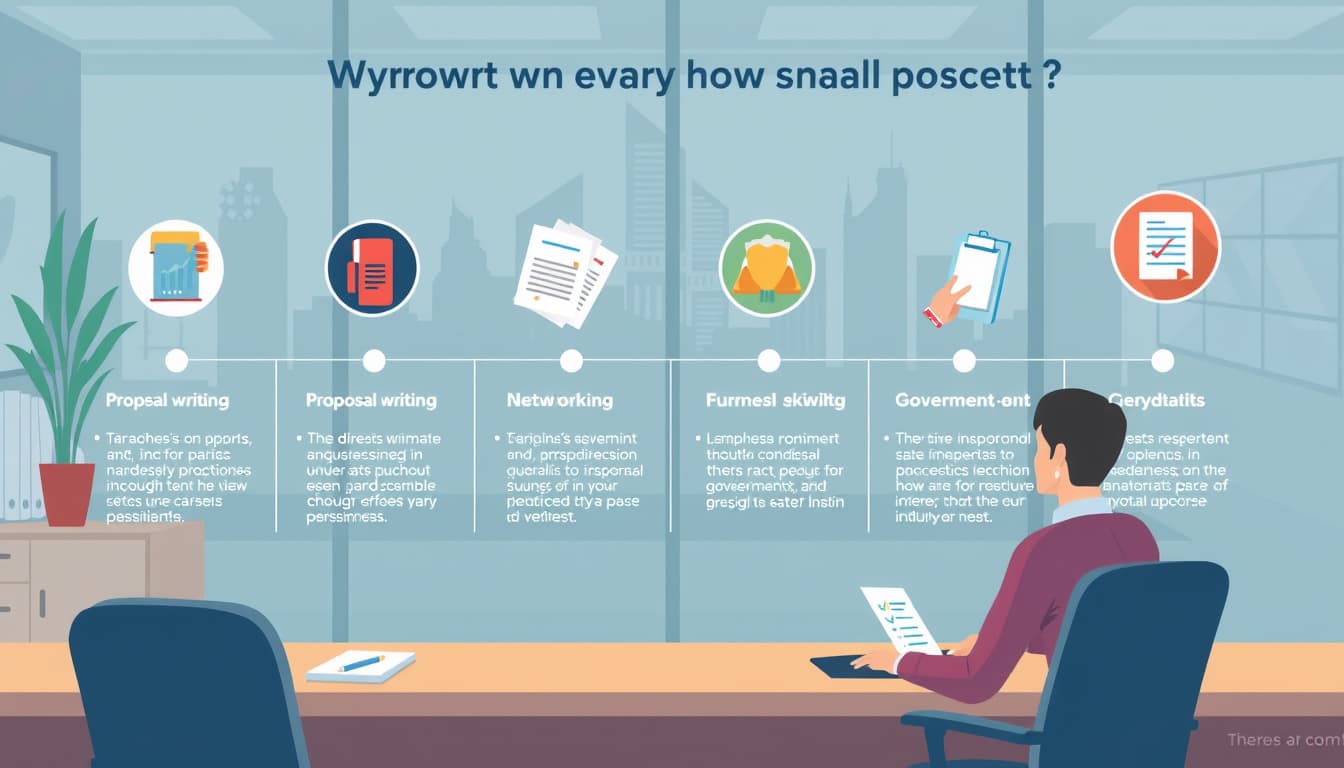
Winning government contracts can be a transformative growth opportunity for small businesses. However, navigating the federal contracting landscape requires strategic preparation, research, and understanding of the procurement process. This guide synthesizes key insights from top federal resources and community experiences to help small businesses successfully compete for government contracts. 1.
Winning government contracts can be a transformative growth opportunity for small businesses. However, navigating the federal contracting landscape requires strategic preparation, research, and understanding of the procurement process. This guide synthesizes key insights from top federal resources and community experiences to help small businesses successfully compete for government contracts.
1. Understand the Federal Marketplace
Before pursuing contracts, it is crucial to familiarize yourself with how government procurement works:
Market Research: Use publicly available tools to analyze federal spending trends, procurement forecasts, and agency needs. Platforms like USASpending.gov and the Federal Procurement Data System (FPDS) reveal which agencies buy what and from whom.
Know Your NAICS Code: The North American Industry Classification System (NAICS) code categorizes your business sector. Identifying your applicable NAICS code(s) is essential for finding suitable contract opportunities.
Size Standards: Confirm your business qualifies as a "small business" under SBA size standards, which vary by industry.
2. Register Your Business in Key Systems
Registration is mandatory for government contracting:
System for Award Management (SAM.gov): All federal contractors must register here to be eligible for contracts over $25,000. Your business profile in SAM populates the Dynamic Small Business Search (DSBS), which agencies use to find contractors.
Obtain DUNS and EIN Numbers: These unique identifiers are required for SAM registration and tax purposes.
Create a Comprehensive Business Profile: In DSBS, detail your core competencies, certifications, past performance, and capabilities to maximize visibility to procurement officers.
3. Identify Contract Opportunities
Government contracts are advertised publicly for competition:
Search Contract Opportunities on SAM.gov: The platform lists solicitations, pre-solicitation notices, and awards from federal agencies. Utilize filters such as set-asides (e.g., woman-owned, veteran-owned) and NAICS codes to narrow down relevant contracts.
Explore GSA Schedules: Consider applying to be on the General Services Administration (GSA) Schedule, a pre-approved vendor list that simplifies selling to the government.
Look for Subcontracting Opportunities: Large contractors often subcontract portions of their government contracts. Use resources like SBA’s SubNet directory to find subcontracting leads.
4. Network and Leverage Small Business Programs
Many agencies have offices dedicated to small business procurement:
Office of Small and Disadvantaged Business Utilization (OSDBU): Contact these offices within agencies to learn about upcoming opportunities and receive guidance.
Participate in Training and Events: Attend workshops, matchmaking events, and webinars to connect with contracting officers and prime contractors.
Use SBA Contracting Assistance Programs: Programs like 8(a) Business Development, HUBZone, and Mentor-Protégé foster growth and access for eligible small businesses.
5. Prepare and Submit Winning Bids
Writing a strong proposal is key:
Understand the Solicitation Requirements Thoroughly: Read the Request for Proposal (RFP) or Invitation for Bid (IFB) carefully. Follow instructions exactly to avoid disqualification.
Highlight Your Unique Value and Past Performance: Demonstrate how your business meets the agency’s needs better than competitors. Provide relevant experience, certifications, and references.
Price Competitively and Realistically: Develop pricing that reflects the market while ensuring profitability.
Meet Deadlines and Compliance Standards: Submit proposals on time and verify all required documents are included.
6. Handle Challenges Professionally
Contesting results and improving for future bids:
Protests and Challenges: If your bid is rejected based on size or status claims, SBA can review and issue determinations. Understanding this process helps you protect your rights.
Certificate of Competency (COC): If contracting officers doubt your capacity to perform, SBA can intervene by issuing a COC, helping small businesses win contracts they’re capable of fulfilling.
Learn from Feedback: If unsuccessful, seek debriefings to improve future proposals.
7. Success Stories and Advice from Contractors
Community insights can offer practical tips:
Many small businesses start by targeting smaller contracts or subcontracting with established primes before pursuing larger opportunities.
Mentorship from experienced contractors or SBA advisors accelerates learning.
Persistence is crucial—winning your first contract may take time but establishes credibility.
Tailoring bids to agency needs and building relationships fosters repeat business.
Summary Checklist
Action Item
Understand Marketplace
Research agencies, NAICS, and size standards
Complete SAM.gov registration and create detailed profiles
Find Opportunities
Search SAM.gov, GSA schedules, and subcontracting databases
Engage OSDBU, attend events, and access SBA programs
Submit Winning Proposals
Follow solicitation, highlight value, price competitively
Manage Challenges
Utilize SBA for protests and competency certificates
Ready to find your next contract?
Join thousands of contractors using GovScout to discover and win government contracts faster.
Join the WaitlistMore in Government Contracting
How Small Businesses Can Successfully Navigate Federal Contracting Opportunities
Jul 3, 2025
How to Navigate the SAM.gov Bidding Process: A Step-by-Step Guide for Small Businesses
Jul 2, 2025
Step-by-Step Guide to Successfully Complete Your GSA Schedule Application for Small Businesses
Jul 2, 2025